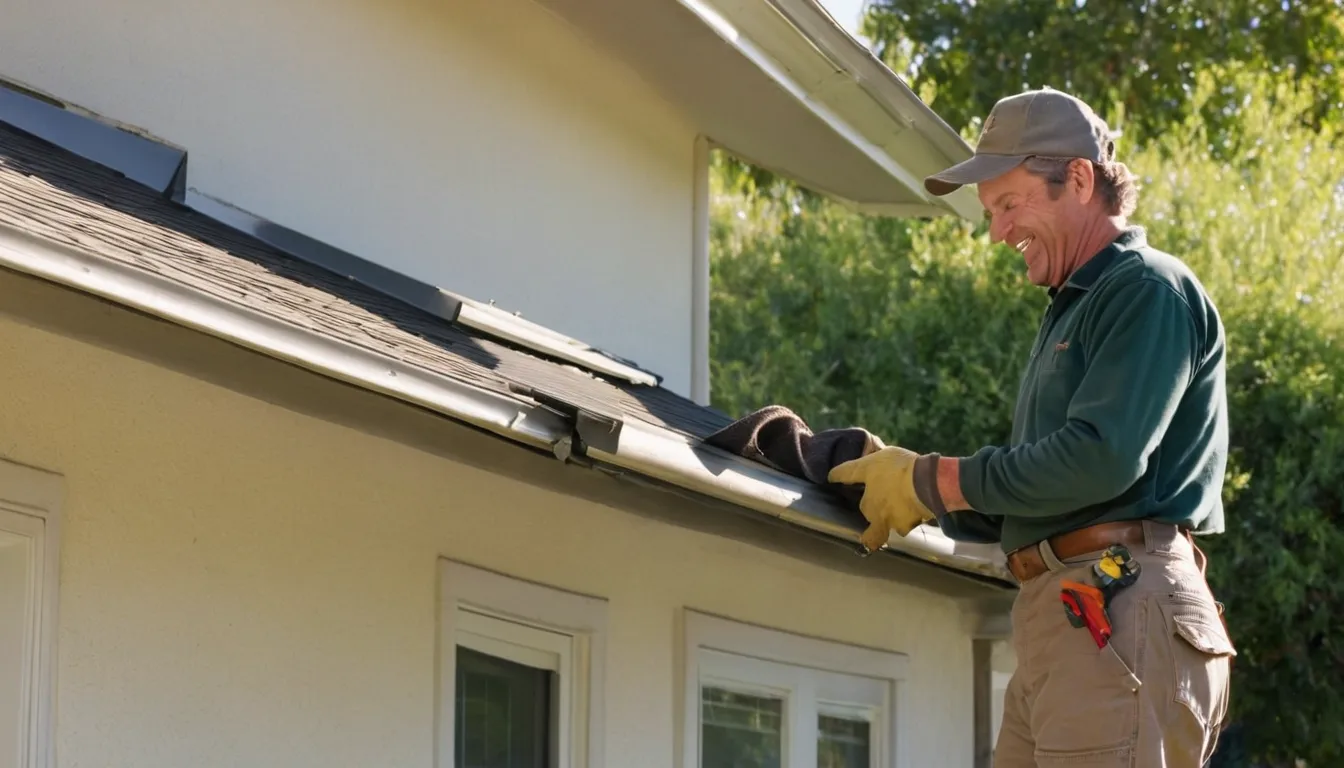
Something is living in your home, and you did not invite it. Maybe you hear scratching in the attic. Maybe you found droppings in a drawer. Take a breath. This is a common problem, and it has clear fixes.
Laughsurvive Pest Control is a referral service. We do not do the work. We link you with independent providers in our network who handle rodents and wildlife near Vallejo. This page tells you what to do in the first hour, what removal looks like, and what to watch for in older homes across the Vallejo area.
Noises in the Attic or Walls? Start Here
Breathe, then act. Scratching, thumping, or squeaking can rattle anyone. It is also very common. Most of the time it is mice, rats, or a squirrel. Sometimes it is a bigger visitor.
If you typed "exterminator near me" or "wildlife removal" into your phone, you are in the right place. Laughsurvive Pest Control is a referral service. It links you with independent local providers. The provider does the work.
Your First Hour: One Step First
Do these things in order. Keep it simple.
- Stay calm and stay out of the attic or crawl space.
- Keep kids and pets away from the noise.
- Do not poke, bang, or block any holes.
- Take photos of droppings, chew marks, or gaps. Wear gloves if you must touch anything.
- Write down what you hear and when you hear it.
- Request a callback to check provider availability.
Why Waiting Makes It Harder
Animals settle in fast. Mice can breed within weeks. A mother raccoon or squirrel may have babies inside your walls. Chewed wires can raise fire risk. Wet droppings and urine soak into insulation and wood.
Acting early keeps the job smaller. It also keeps your costs down.
Do Not Seal the Hole Yet
It feels smart to plug the hole right away. Please don't. If an animal is still inside, you trap it. It may die in the wall, or chew a new way out. Babies left behind can cry for days.
Let the provider confirm the house is empty first. Then the sealing goes on.
Signs to Watch For
Look and listen for these clues:
- Scratching or running sounds, often at dusk or after dark
- Small dark droppings along walls or in cabinets
- Greasy rub marks near gaps
- Chewed wires, boxes, or wood
- Strange smells from vents or ceilings
- Torn insulation or stained ceiling spots
- Pets staring or sniffing at one wall
Check the Old Spots
Older houses hide surprises. Many bungalows and 1950s to 1980s tract homes have worn parts. Past repairs can leave small gaps. Animals only need a hole the size of a quarter, or less for mice.
Check these places:
- Roof edges and eave gaps under old trim
- Attic and crawl space vents with loose or rusted screens
- Spots where old pipes or wires enter the house
- Cracks in stucco near the ground
- Raised foundation vents
- Old patches that no longer fit tight
Do the looking from the ground. Skip the ladder if you feel unsure.
Common Animals Providers Handle
Mice and rats
They chew, nest, and leave droppings. Rats are larger and often use attics and wall gaps.
Squirrels and raccoons
They tear into roof edges and vents. Raccoons are strong and can cause real damage.
Possums, skunks, and birds
These often nest under porches, decks, and sheds. Some birds have legal protection, so a provider checks the rules first.
Bats
Bats have special legal protection in many areas. Timing matters. Only a trained provider should handle them.
How Removal Works
Step one: inspection
The provider looks at the roof, attic, vents, and foundation. They find entry points and signs of how many animals are inside.
Step two: removal
They use traps, one-way doors, or other tools suited to the animal. The method depends on the species and the season.
Step three: sealing
Once the animals are out, the provider closes gaps with sturdy material. Weak foam or thin screen will not hold.
Step four: cleanup
Droppings and soiled insulation may need to be removed. This protects your health and clears odors.
Humane Handling and Local Rules
Rules differ by city and state. Some animals cannot be moved far. Some cannot be handled during nesting season. A good provider knows the local rules and explains them in plain words.
Ask how they treat the animals. Humane methods are common and often required.
Why Rain and Dry Seasons Matter
Winter rain pushes animals toward warm, dry attics. Long dry spells send them looking for water and shade. Smoke seasons can also drive wildlife into new places. Because of this, problems can show up at any time of year.
Choosing a Removal Provider
Ask simple questions before you agree to anything:
- Do you handle the animal I have?
- Will you seal the entry points?
- Is cleanup part of the quote?
- Do you follow local wildlife rules?
- Can I get the quote in writing?
Be careful with anyone who only offers poison. Poison can leave dead animals in walls and harm pets.
Droppings, Smells, and Health
Do not sweep dry droppings. Dust can carry germs. Wear gloves and a mask, and wet the area first, or let a provider clean it. Mention any strong smell, since it may mean an animal died in the wall.
Damage and Your Policy
Some policies may cover sudden damage. Others do not cover pests at all. Check your policy. Providers can often help document damage for a claim, so keep your photos.
Keeping Animals Out
Once the job is done, keep it that way.
- Trim branches back from the roof
- Store food and pet food in sealed bins
- Keep trash lids tight
- Fix leaks and clear standing water
- Check vents and the old spots each season
What's Included
Inspection and Entry Points
A provider checks the roof, attic, vents, and foundation to find where animals get in.
Humane Removal
Methods match the animal and the season, within local wildlife rules.
Sealing the Gaps
Sturdy materials close holes so animals cannot return through old weak spots.
Cleanup Options
Providers can clear droppings and soiled insulation to protect your health and your home.
What Removal Often Costs in the U.S.
Prices change with the animal, the size of the home, and how much damage there is. These are typical U.S. ranges only. Always ask for a written quote before work starts.
| Service | Typical range | Notes |
|---|---|---|
| Inspection | $100 – $350 | Some providers apply it to the job |
| Mouse or rat trapping | $200 – $700 | Often needs a few visits |
| Squirrel or raccoon removal | $300 – $900 | Depends on animal count and access |
| Sealing entry points | $300 – $1,500 | Older homes may have more gaps |
| Dead animal removal | $150 – $500 | Hard-to-reach spots cost more |
| Attic cleanup and insulation | $1,000 – $5,000 | Varies with size and damage |
How It Works
Stay Calm, Stay Back
Keep people and pets away from the noise. Do not poke, bang, or block any holes.
Note What You Notice
Write down sounds, smells, and times. Take photos of droppings or damage from a safe distance.
Call or Request Estimate
Request a callback to check provider availability, or use the request form to ask for an estimate.
Review the Plan and Quote
Ask about removal, sealing, and cleanup. Get the price in writing before you agree.
Why Call Laughsurvive Pest Control
Clear First-Hour Guidance
You get calm, simple steps so you know what to do before anyone arrives.
Local Providers
You connect with independent providers in our network who work near your home.
Older Home Care
Guidance points out the old gaps and past repairs where animals often enter.
Honest Referral
We link you with providers. They do the work and explain the plan and price.
Other Services
Need rodent and wildlife removal in Vallejo?
Seen a pest? Request a callback to check provider availability, or send a request and ask for an estimate. There is no obligation.
No obligationRodent and Wildlife Removal FAQ
Who do I call for animals in my attic?
A local wildlife or rodent removal provider handles animals in attics. Request a callback to check provider availability in your area, or request an estimate through the form. Keep people and pets away until help arrives.
Should I seal the hole where the animal got in?
Not until you know the animal is gone. Sealing too soon can trap it inside or leave babies behind. A provider confirms the space is empty first, then closes gaps with strong materials that hold up over time.
How much does rodent or wildlife removal cost?
Typical U.S. prices run from about $150 for a small job to several thousand dollars with sealing and cleanup. Costs vary by animal, home size, and damage. Ask each provider for a written quote before work starts.
Request a callback
Seen a pest? Request a callback to check provider availability, or send a request and ask for an estimate. There is no obligation.
No obligation